Expert Insights to Electronics Recycling Services
Sustainable Solutions: How E-Waste Recycling Services Are Saving Our Planet
Electronic waste presents serious dangers to the environment, as abandoned electronic devices commonly carry harmful materials. These toxic materials have the potential to taint soil and water sources, resulting in widespread environmental harm. E-waste recycling services present a viable solution. They successfully retrieve useful resources while simultaneously minimizing environmental pollution. Gaining insight into how these programs function and affect local communities is critical. Pursuing efficient e-waste management brings forth pressing questions regarding individual duties and shared responsibility. What steps can be taken next?
Why Electronic Waste Is Harmful to the Planet
Although technology enhances contemporary living, e-waste poses significant environmental threats. Abandoned electronic gadgets, frequently composed of toxic substances including lead, mercury, and cadmium, can leach toxins into soil and groundwater, posing risks to human health and ecosystems. The accelerating rate of technological innovation contributes to increased consumer turnover of electronics, exacerbating the accumulation of discarded electronic materials.
Landfills, already overwhelmed with refuse, find it difficult to handle the increasing amounts of discarded devices. Incineration, another disposal method, releases harmful pollutants into the atmosphere, contributing to air quality degradation. In addition, improper recycling practices can lead to the exportation of e-waste to developing countries, where laborers may dismantle devices without adequate safety measures, exposing themselves to dangerous substances. This cycle of neglect and improper handling underscores the urgent need for sustainable recycling solutions that can mitigate the adverse effects of e-waste on the planet.
What Is E-Waste and Its Importance?
E-waste, also referred to as electronic waste, encompasses unwanted electronic equipment including smartphones, computers, and televisions that have exceeded their operational lifespan. This growing category of waste is significant because of its swift buildup, propelled by advances in technology and evolving consumer behaviors. As more devices become obsolete, the environmental impact intensifies, with harmful substances like lead, mercury, and cadmium threatening both ecosystems and public health.
The importance of addressing e-waste lies not only in mitigating these hazards but also in recognizing the valuable materials it contains. Valuable metals and rare earth materials can be extracted and repurposed, lessening the demand for mining and preserving natural resources. With a thorough understanding of e-waste and its impact, people and organizations alike can make educated decisions about disposal and recycling, helping to build a more sustainable world. Effective handling of e-waste is vital for View article encouraging a circular economy and advancing environmental responsibility.
The Way E-Waste Recycling Functions
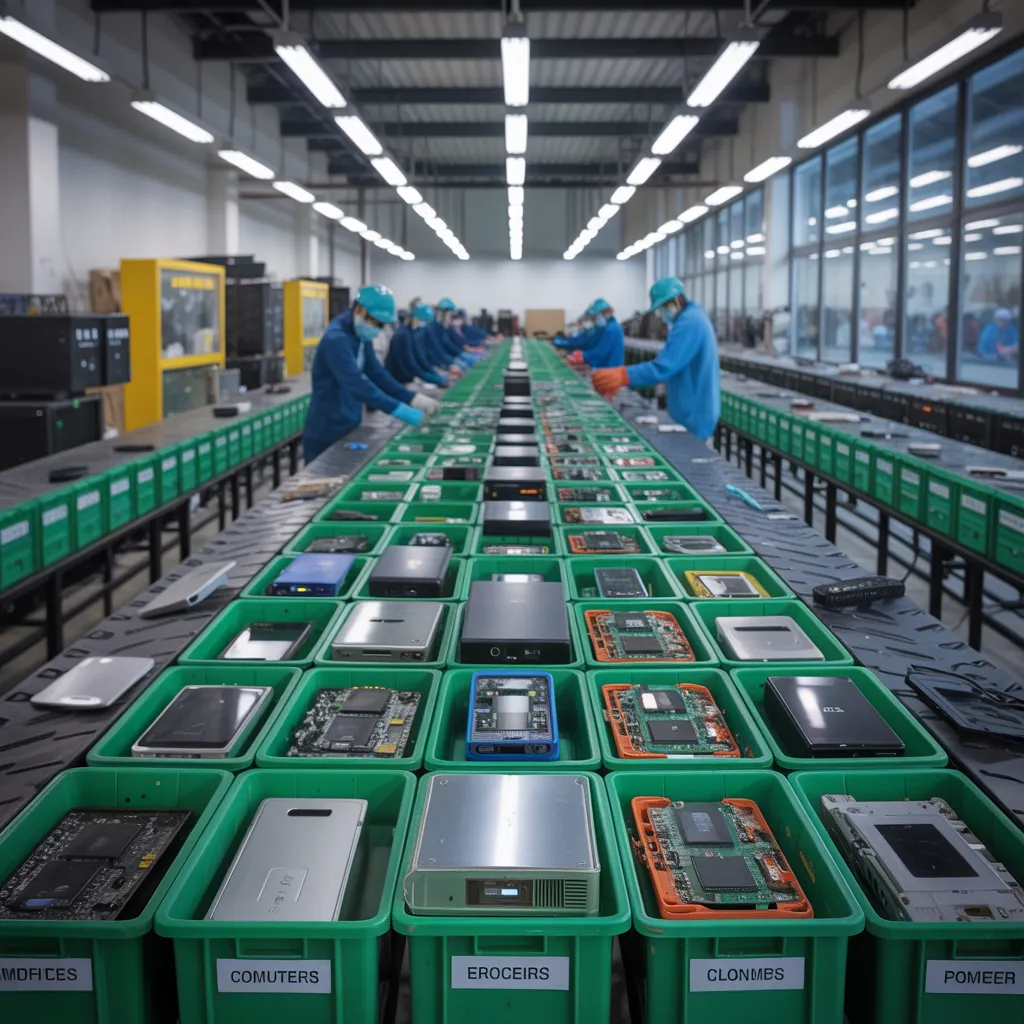
Recycling e-waste involves an organized procedure aimed at reclaiming useful resources while limiting ecological damage. Initially, discarded electronics are retrieved and sent to specialized recycling facilities. Upon arrival, the equipment is meticulously organized to distinguish harmful elements from reusable resources.
Subsequently, workers deconstruct the products, extracting metals, plastics, and glass. This process is vital, as it enables the recovery of precious metals like copper, gold, and silver, which can be recycled in new electronic devices.
Following this, the divided materials are treated via advanced techniques, such as chemical treatments and shredding, to purify them for reuse.
Ultimately, the leftover hazardous waste is handled with responsibility, adhering to eco-friendly standards. This systematic method not only conserves resources but also mitigates the risks connected to improper e-waste disposal, ensuring a more sustainable future for electronic consumption.
Why E-Waste Recycling Matters for You and Your Community
While many individuals may not realize it, the advantages of e-waste recycling go far beyond individual benefit and actively shape entire communities. By carefully processing electronic waste, individuals contribute to a safer environment, minimizing toxic components that can contaminate soil and water. This proactive approach works to protect local ecosystems and advances public health.
Furthermore, e-waste recycling fosters the creation of jobs in communities. Regional recycling centers frequently need staff for various operations, from collection to processing, therefore offering work opportunities within the community. This not only enhances the community economy but also promotes community participation in sustainable initiatives.
In addition, knowledge about e-waste recycling can lead to educational initiatives, equipping residents to pursue greener alternatives. By enrolling in e-waste recycling programs, individuals nurture a culture of sustainability, encouraging others to follow suit. In summary, the collective impact of these actions can contribute to a more robust and eco-friendly community.
A Guide to Selecting an E-Waste Recycling Service
Picking the best e-waste disposal service is crucial for guaranteeing that electronic refuse is handled with responsibility and sustainability. Initially, consumers should confirm the provider's credentials, such as e-Stewards or R2, which signify adherence to established benchmarks for responsible recycling methods. Additionally, it is advisable to examine the organization's credibility by reading customer reviews and seeking advice from dependable sources.
Furthermore, transparency in the recycling process is vital. A trustworthy company should provide clear information about the manner in which e-waste is managed and what happens to the materials. Additionally, assessing the variety of services available can be advantageous; some companies may provide pickup services or offer incentives for recycling.
Furthermore, understanding local guidelines related to e-waste disposal can further guide the decision-making process. By prioritizing these factors, people are able to support successful electronic waste reduction while supporting environmentally responsible practices.
Ways You Can Participate in E-Waste Recycling?
Participating in e-waste recycling can start at the local level, where community recycling hubs frequently offer essential services for responsible disposal. Moreover, participating in community awareness campaigns can enhance efforts to raise awareness about the importance of ethical e-waste practices. These actions not only promote sustainability but also foster a collective sense of responsibility toward the environment.
Regional Recycling Centers
Numerous local recycling centers perform an important function in the recycling of e-waste, offering communities convenient opportunities to handle electronic waste in a responsible manner. These hubs welcome a wide array of electronic devices, including outdated computers, mobile phones, and TVs, guaranteeing that dangerous substances are processed safely. Most centers are equipped with experienced team members who can guide individuals on proper disposal methods, underscoring the benefits of recycling compared to landfilling. In addition, numerous facilities provide drop-off events or designated collection days, allowing residents to take part with ease. Through the use of these community services, individuals contribute to a circular economy, decreasing environmental damage and advancing sustainable approaches. Partnering with these facilities encourages communities to fight e-waste pollution decisively.
Community Outreach Campaigns
Community groups, educational institutions, and companies can collaborate to host events that promote e-waste collection drives. Volunteers can play a pivotal role in promoting knowledge, handing out educational content, and interacting with the surrounding community. Through these collective efforts, community members grow more knowledgeable and inspired to dispose of their electronics responsibly, ultimately contributing to a more sustainable future.
Answers to Your Most Common Questions
What Electronic Devices Are Eligible for Recycling?
Numerous electronics may be recycled, including computers, smartphones, televisions, laptops, gaming consoles, and printers. Additionally, peripherals such as mice, keyboards, and batteries are also suitable for recycling, supporting eco-friendly conservation initiatives.
Is There a Cost Associated With E-Waste Recycling?
Yes, e-waste disposal can include costs, subject to the facility. Some service centers impose charges for collection or processing, while others offer free services, typically funded by the proceeds from salvaged materials.
How Can Businesses Benefit From E-Waste Recycling?
Businesses can benefit from e-waste recycling by reducing disposal costs, enhancing their environmental image, complying with regulations, recovering valuable materials, and possibly earning income through resale, thereby fostering a more environmentally responsible business approach.
What Occurs with Data on Recycled Devices?
Data on refurbished equipment is often completely removed or eliminated throughout the recycling process. This guarantees sensitive information remains secure, preventing unauthorized access while permitting resources to be repurposed safely and responsibly across new manufacturing processes.
Are Broken Electronics Eligible for Recycling?
Yes, defective electronics are able to be recycled. A wide range of recycling centers receive non-functioning devices, providing safe disposal and retrieval of valuable materials. This helps decrease environmental impact while fostering responsible recycling practices to control e-waste effectively.